Emergency Alarms for Safety Stations and Laboratory Fixtures
Select an emergency alarm by how the station will be activated, who must be notified and the environment where the components will operate. Compare Guardian and Haws light-and-horn assemblies, flow switches and remote-sensing options for safety stations and laboratory emergency fixtures.
-

Haws 9001EXPC1D1 Emergency Alarm System, 120 VAC, Double Pole, Double Throw Flow Switch
Our Price: $8,293.68List Price: $11,519.00(You save $3,225.32) -
Guardian AP275-617 Flow Switch, 1-1/4" IPS for Safety Stations, with Double Pole, Double Throw Switch
Our Price: $824.44List Price: $1,099.25(You save $274.81) -
Guardian AP275-100 Combination Steady-On Light and Alarm Horn for Safety Stations
Our Price: $1,703.11List Price: $2,270.81(You save $567.70) -
Guardian AP275-105 Combination Steady-On Light and Alarm Horn for Safety Stations, with Double Pole, Double Throw Flow Switch
Our Price: $1,801.43List Price: $2,401.90(You save $600.47) -
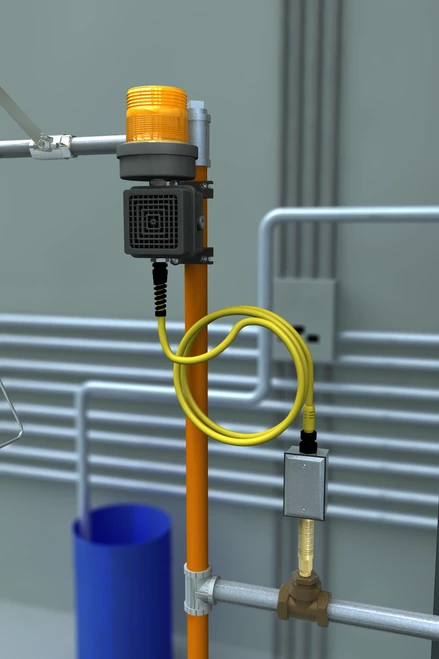
Guardian AP275-200 Combination Flashing Light and Alarm Horn for Safety Stations
Our Price: $1,877.15List Price: $2,502.87(You save $625.72) -
Guardian AP275-205 Combination Flashing Light and Alarm Horn for Safety Stations, with Double Pole, Double Throw Flow Switch
Our Price: $2,002.91List Price: $2,670.55(You save $667.64) -
Guardian AP275-615 Flow Switch, 1-1/4" IPS for Safety Stations
Our Price: $808.71List Price: $1,078.29(You save $269.58) -
Guardian AP275-617C1D2 Flow Switch, 1-1/4" IPS for Safety Stations, Class 1, Division 2 Environment
Our Price: $887.09List Price: $1,182.79(You save $295.70) -
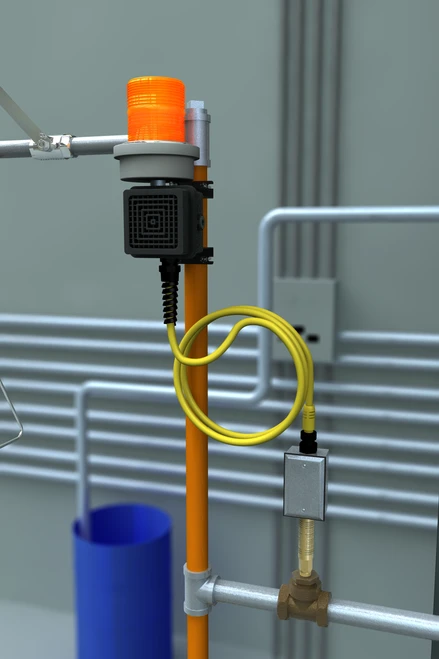
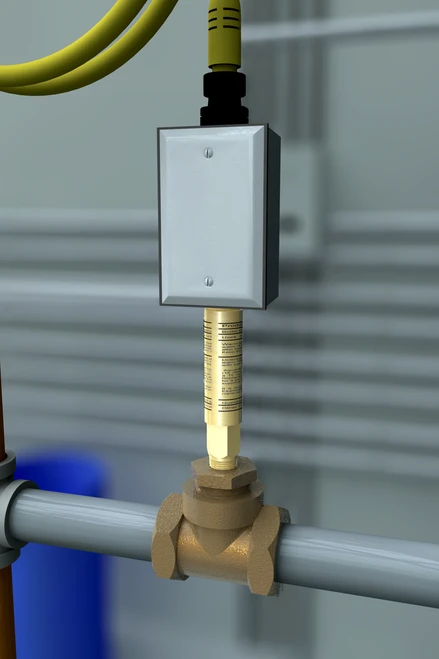
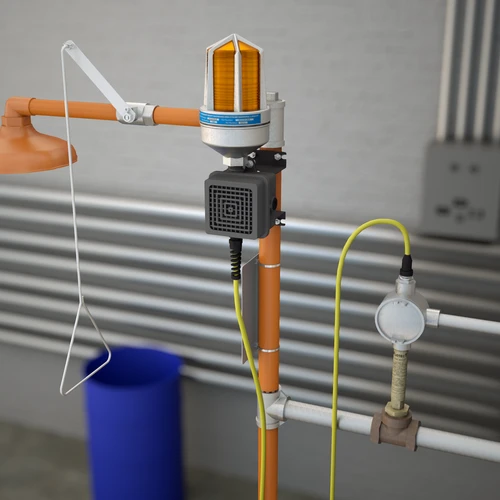
Guardian AP275-700 Combination Strobe Light and Alarm Horn for Safety Stations, Weatherproof Remote Sensing Flow Switch Assembly, with Single Pole, Double Throw Switch
Our Price: $2,180.51List Price: $2,907.35(You save $726.84) -
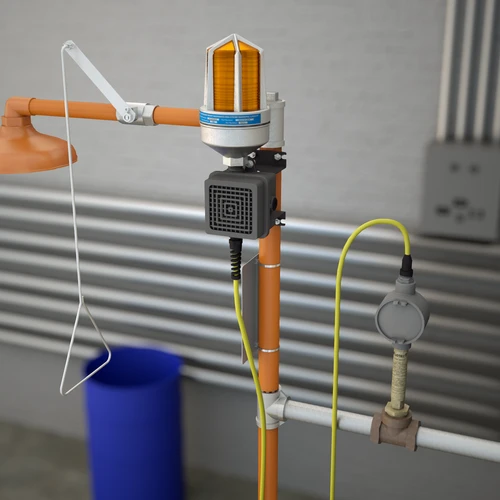
Guardian AP275-705 Combination Strobe Light and Alarm Horn for Safety Stations, with Weatherproof Remote Sensing Flow Switch Assembly
Our Price: $2,231.93List Price: $2,975.90(You save $743.97) -
Guardian AP275-705C1D1 Combination Strobe Light and Alarm Horn for Safety Stations, with Remote Sensing Flow Switch Assembly, Designed For Class 1, Division 1 Environment
Our Price: $7,323.46List Price: $9,764.62(You save $2,441.16) -
Guardian AP275-705C1D2 Combination Strobe Light and Alarm Horn for Safety Stations, with Remote Sensing Flow Switch Assembly, Designed For Class 1, Division 2 Environment
Our Price: $3,408.56List Price: $4,544.74(You save $1,136.18) -
Guardian AP275-705N4 Combination Strobe Light and Alarm Horn for Safety Stations, with Remote Sensing Flow Switch Assembly, NEMA 4 Rated Components
Our Price: $2,988.13List Price: $3,984.18(You save $996.05) -
Guardian AP275-705N4X Combination Strobe Light and Alarm Horn for Safety Stations, with Remote Sensing Flow Switch Assembly, NEMA 4X Rated Components
Our Price: $3,887.18List Price: $5,182.91(You save $1,295.73) -
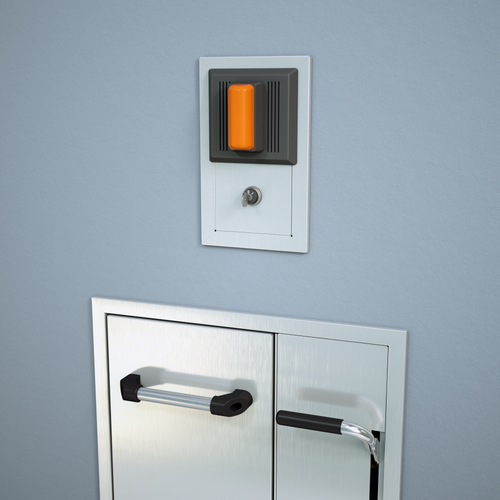
Guardian AP280-230 Combination Strobe Light and Alarm Horn for Recessed Laboratory Units
Our Price: $1,180.00List Price: $1,573.34(You save $393.34) -
Guardian AP280-232 Combination Strobe Light and Alarm Horn for Recessed Laboratory Units, with Silencing Switch
Our Price: $1,814.21List Price: $2,418.94(You save $604.73)