Emergency Tempering Valves
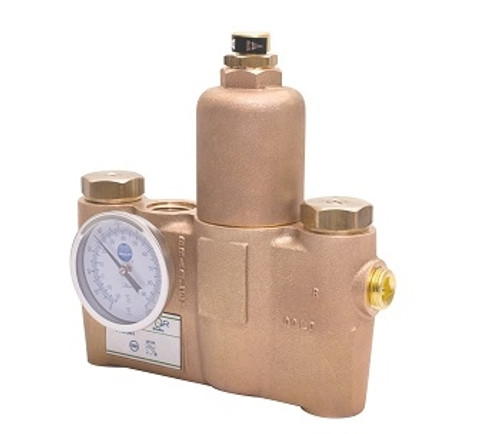
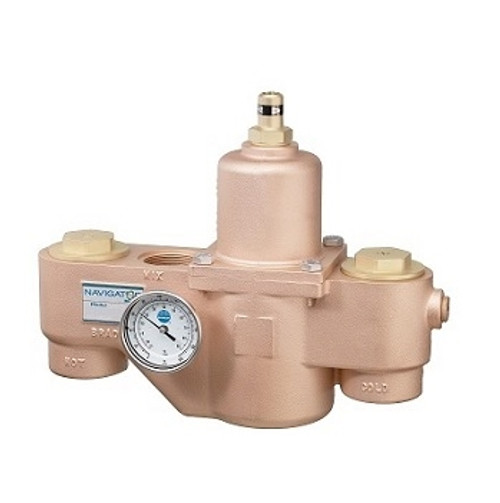
Select an emergency tempering valve from the required fixture flow at the available dynamic pressure, the number of outlets that may operate together and where the valve will be installed. ProDryers carries Bradley, Haws and Guardian emergency and general thermostatic mixing valves, including point-of-use, high-low, high-capacity and recirculation configurations.
-

Guardian G6020 Thermostatic Mixing Valve, 13 Gallon/49 Liter Capacity
Our Price: $629.83List Price: $839.78(You save $209.95) -
Haws 9201EW AXION® Emergency Tempering Valve, Thermostatic Mixing Valve 10 GPM, for Single Emergency Eye/Face Wash
Our Price: $535.68List Price: $744.00(You save $208.32) -
Bradley S59-4000A Navigator Thermostatic Mixing Valve, Point of Use, 3/8" Compression Fittings
Our Price: $161.70List Price: $231.00(You save $69.30) -
Guardian G6040 Thermostatic Mixing Valve, 50 Gallon/189 Liter Capacity
Our Price: $1,158.89List Price: $1,545.19(You save $386.30) -
Haws 9201EFE AXION® Emergency Tempering Valve, Thermostatic Mixing Valve 12 GPM, for Single Emergency Eye/Face Wash
Our Price: $897.12List Price: $1,246.00(You save $348.88) -
-
-
-
-
-
-
-
-
-
-