Why Choose Dyson Airblade Wash+Dry?
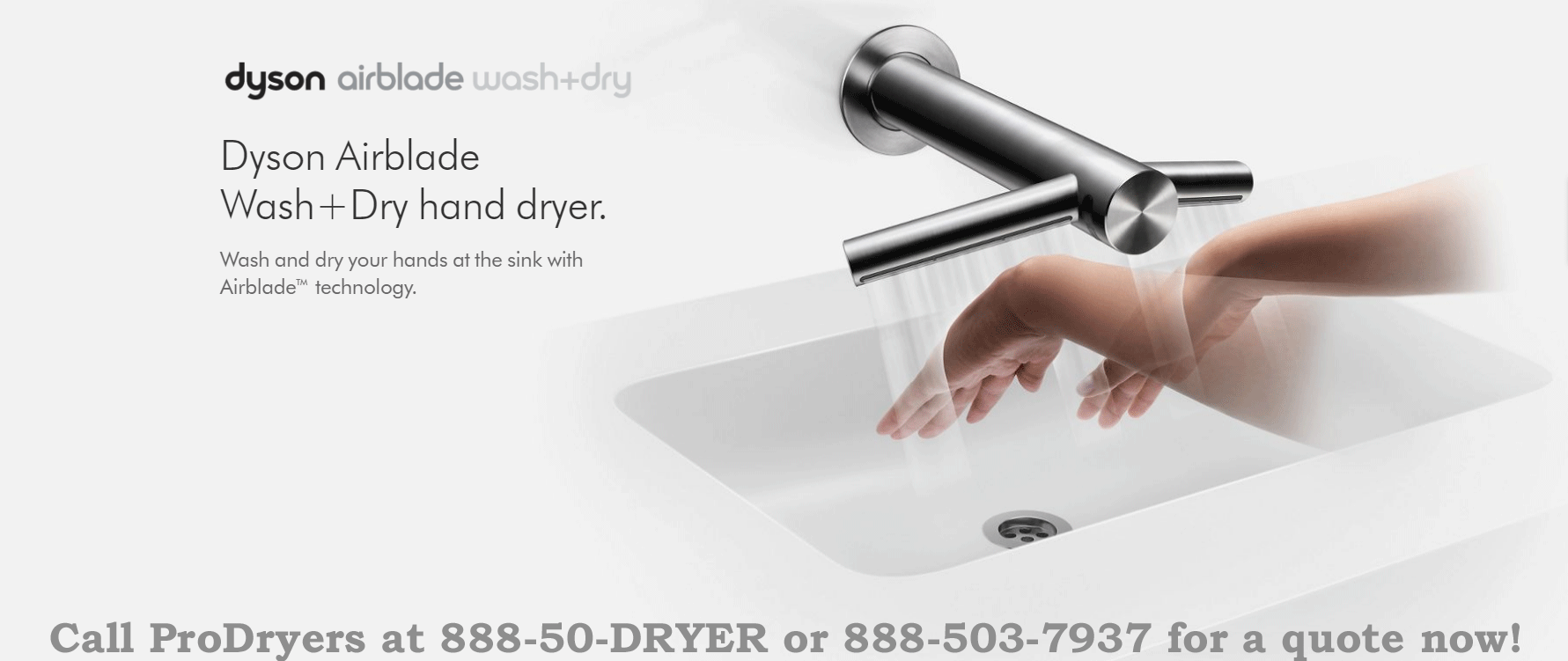
Wash+Dry solves a different restroom-design problem than a conventional wall-mounted hand dryer. Instead of asking users to walk away from the basin with wet hands, the system lets them wash and dry at the sink, helping keep water closer to the basin and reducing the need for a separate hand-drying area.
Current Dyson Wash+Dry Models
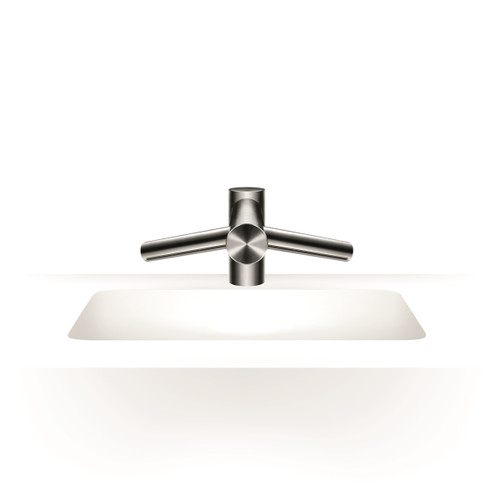
ProDryers currently carries two Wash+Dry configurations:
What About the WD05 Tall Model?
The WD05 Tall / long-neck version is discontinued on ProDryers. If you are replacing or researching a WD05 installation, contact us and we can help determine whether WD04, WD06 or another current hand-drying solution makes the most sense.
Wash and Dry at the Sink
The biggest reason to choose Wash+Dry is not raw drying speed. It is the integrated user experience.
Users wash their hands and then dry them at the same basin. That can reduce water carried across the restroom floor and eliminate the need for a separate wall-mounted hand dryer or paper towel dispenser in another part of the room.
This can be especially appealing in premium or architectural restrooms where fixture placement, wall space and traffic flow are important parts of the design.
Dyson Wash+Dry Performance
- 14-second rated dry time
- 1,000W rated motor power
- No heating element
- Touch-free infrared activation
- Sealed HEPA filtration
- 99.97% particle capture down to 0.3 microns from air passing through the filter
- Brushed stainless steel faucet construction
- Low- and high-voltage configurations
Low Voltage vs. High Voltage
Dyson Wash+Dry is available in both low- and high-voltage configurations. The correct version depends on the electrical service available at the installation.
| Configuration | Input Voltage | Typical Use |
|---|
| LV |
100-120V |
Standard low-voltage commercial electrical systems |
| HV |
200-240V |
Higher-voltage commercial electrical systems |
The drying format and rated performance are not the reason to choose LV or HV. Your electrician and project electrical design should determine the correct voltage.
Sink and Basin Requirements Matter
Wash+Dry is not a conventional faucet that can simply be dropped into any sink. Basin material, dimensions, faucet placement and spacing matter because the hand dryer directs high-speed air toward the user's hands at the sink.
Dyson recommends porcelain or brushed metal basins. Highly polished reflective surfaces such as chrome should be avoided.
| Minimum sink width |
15 in. |
| Minimum front-to-back depth |
13 in. |
| Minimum sink depth |
5 in. |
| Multiple-unit spacing |
Tap centers should be at least 22 7/8 in. apart |
Because sink geometry can affect splash and user experience, we recommend reviewing Dyson's current pre-installation guide before the basin, faucet and countertop are finalized.
Dyson Wash+Dry Technical Specification
Use the current technical specification for exact electrical, plumbing, sink and installation requirements:
View Wash+Dry Technical Specification
Dyson Wash+Dry vs. a Wall-Mounted Airblade
The Wash+Dry and Dyson Airblade V HU02 solve very different restroom-design problems.
| Consideration | Wash+Dry | HU02 |
|---|
| Drying location |
At the sink |
Separate wall-mounted dryer |
| Installation |
Requires coordinated sink, plumbing and electrical planning |
Conventional wall-mounted electrical installation |
| Primary reason to choose |
Keep washing and drying at one location |
Compact, straightforward commercial drying |
Our Recommendation
Choose Wash+Dry when the restroom is being designed around integrated at-sink drying and the project team can coordinate the sink, plumbing, electrical service and faucet layout. If you simply need a commercial hand dryer on the wall, HU02 or another conventional dryer is usually the simpler installation.
Where Does Wash+Dry Make the Most Sense?
Premium and architectural restrooms: The integrated faucet-and-dryer design can reduce the number of separate wall fixtures and create a cleaner visual layout.
Offices and corporate facilities: Wash+Dry can be attractive where designers want users to complete washing and drying at one station.
Hotels and hospitality: The at-sink experience can support a more integrated premium restroom design.
New construction and major renovations: Wash+Dry is easiest to specify when plumbing, electrical service, sinks and countertops are being designed together.
Existing restrooms: Retrofit projects need more planning because the system is not simply a direct replacement for a conventional faucet or wall-mounted dryer.
Frequently Asked Questions About Dyson Wash+Dry
What is the Dyson Airblade Wash+Dry?
It is a commercial faucet system that combines water delivery and Airblade hand drying at the sink, allowing users to wash and dry without moving to a separate drying area.
How long does Dyson Wash+Dry take to dry hands?
Dyson rates the Wash+Dry at approximately 14 seconds under its specified test method.
Does Wash+Dry use heat?
No. The system does not use a heating element for hand drying.
Does Dyson Wash+Dry have a HEPA filter?
Yes. Dyson specifies sealed HEPA filtration that captures 99.97% of particles down to 0.3 microns from air passing through the filter.
Is the WD05 still available?
The WD05 Tall / long-neck model is discontinued on ProDryers. Current ProDryers Wash+Dry offerings are the WD04 Short and WD06 Wall configurations.
Can Wash+Dry be installed with any sink?
No. Basin material, size, depth and faucet placement matter. Dyson provides specific sink and installation guidance that should be reviewed before the project is finalized.
Need Help Planning a Wash+Dry Installation?
ProDryers can help you compare WD04, WD06 and other Dyson Airblade options based on basin design, restroom layout, electrical service, plumbing requirements and project goals.
Compare Dyson Airblade Models