
What Facilities Managers Get Wrong About Hand Dryers
Posted by Anthony DiCicco on Jan 15th 2026
What Facilities Managers Get Wrong About Hand Dryers and How to Avoid Costly Mistakes
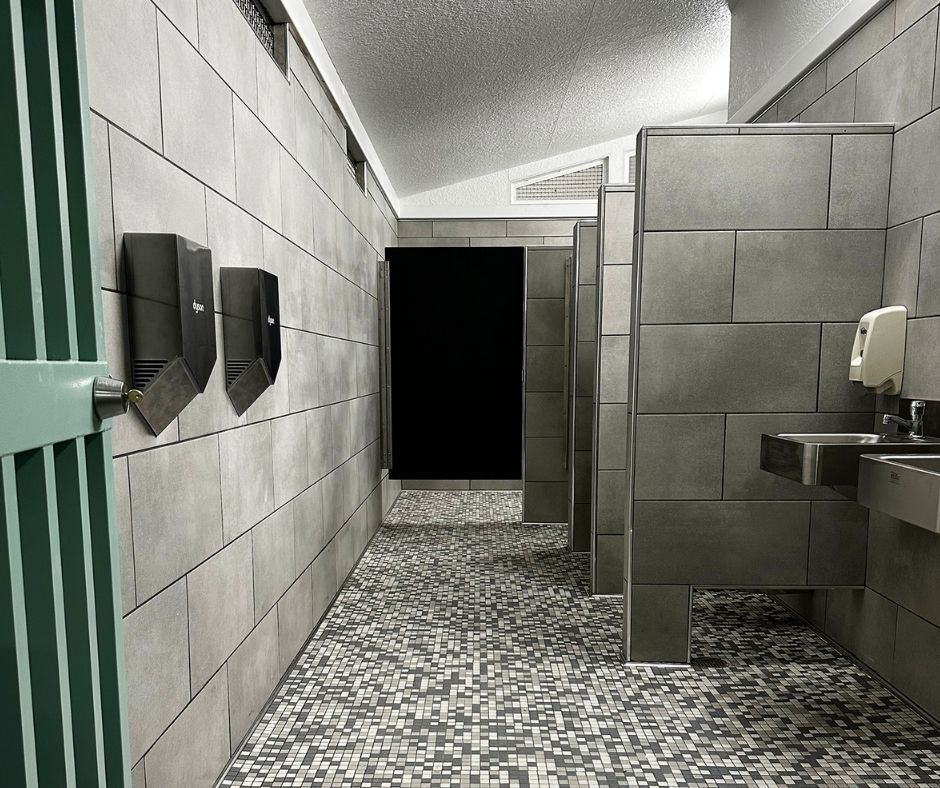
Facilities managers are rarely the ones who select hand dryers. But they are almost always the ones who deal with the long term consequences.
Noise complaints, water on floors, downtime, vandalism, and frustrated users tend to surface months after installation. By then, the decision has already been made and the budget is gone.
After working with commercial restrooms across schools, offices, healthcare facilities, and public spaces for decades, the same issues appear again and again. These problems are rarely caused by defective equipment. They are almost always the result of planning decisions made early on.
This article focuses on real world issues facilities teams encounter when managing commercial hand drying equipment in active restrooms and how experienced organizations avoid costly mistakes with commercial hand dryers.
Most Mistakes Start Before the Dryer Is Ever Installed
Many hand dryer problems begin long before a unit is mounted on the wall.
During purchasing or specification, decisions are often made without input from the people responsible for daily operation and maintenance. On paper, the dryer meets requirements. In real restrooms, it creates friction.
Common early stage issues include:
- Selecting based on upfront price instead of long term ownership
- Assuming all restrooms have the same usage patterns
- Treating hand dryers as interchangeable fixtures
- Overlooking how users move through and exit the space
Facilities managers often identify these problems immediately after installation, but at that point, options are limited.
Why Hand Dryer Specifications Rarely Tell the Full Story
Hand dryer decisions are often made by comparing specification sheets side by side. Air speed, sound ratings, power draw, and warranty terms all look clear on paper.
In real restrooms, those numbers rarely tell the full story.
Specifications cannot account for how sound is perceived in a small space with hard surfaces, how users actually position their hands, or how equipment is treated in high stress environments. A dryer that looks ideal in a spreadsheet can behave very differently once it is installed and used hundreds of times per day.
Facilities managers see this gap clearly. They deal with complaints that cannot be solved by pointing to a spec sheet. At that point, the discussion shifts from what the product claims to how it performs in real conditions, which is a much harder problem to fix after installation.
This is one of the main reasons facilities teams often feel disconnected from early decisions. The information used to select equipment is rarely the same information needed to manage it long term.
Focusing on Purchase Price Instead of Lifecycle Cost
One of the most common mistakes is prioritizing initial cost over long term value.
What facilities teams often encounter later:
- Increased maintenance time
- More frequent service calls
- Downtime while waiting for parts
- Ongoing staff time responding to complaints
Facilities managers evaluate hand dryers differently than purchasing departments. Their focus is on performance over years, not just the invoice.
More experienced organizations look at:
- Expected service life
- Ease of routine maintenance
- Availability of replacement parts
- Manufacturer support and continuity
Underestimating Noise Complaints Until They Start
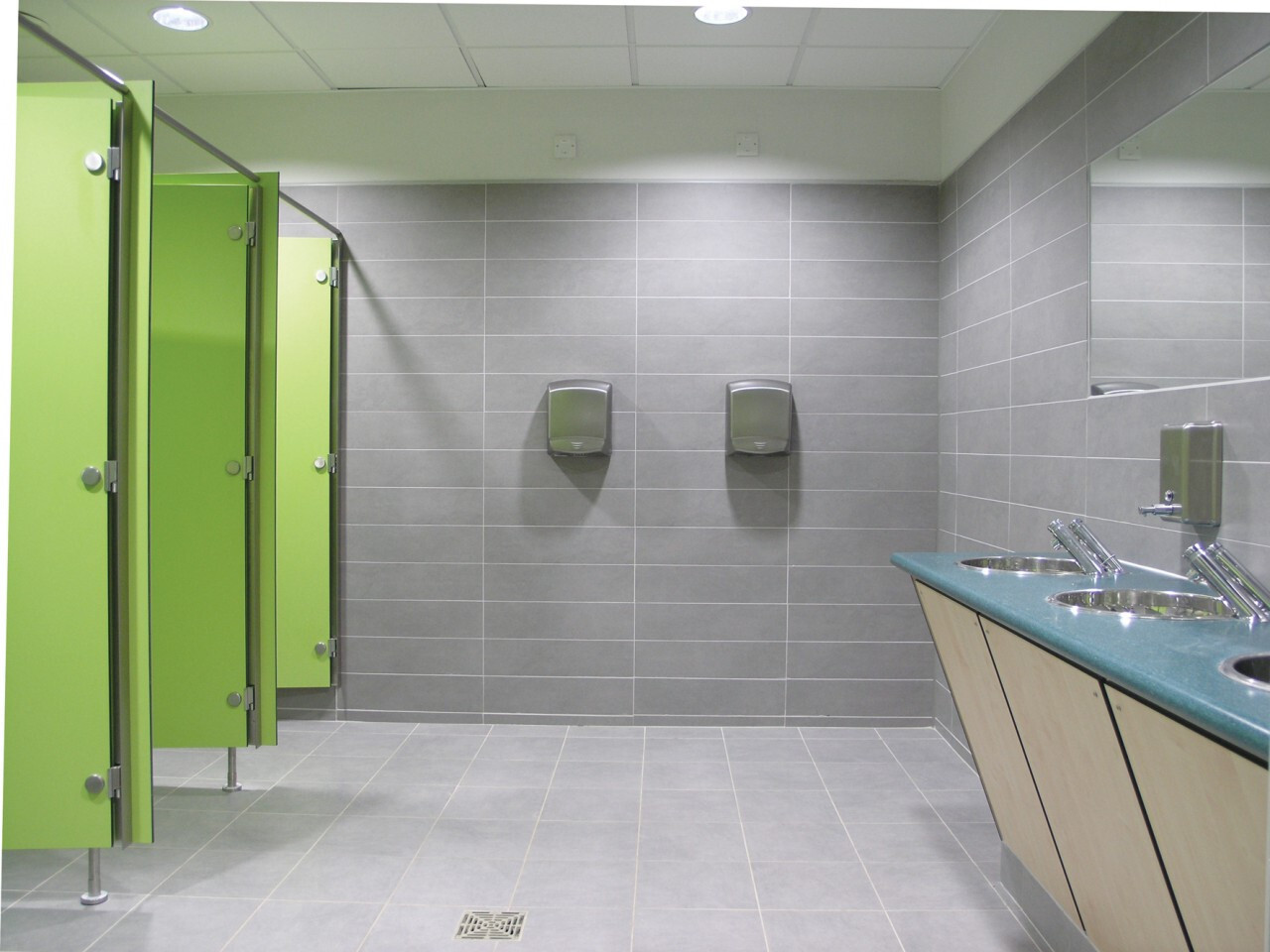
Noise is one of the fastest ways a hand dryer becomes a daily problem.
Even when a dryer meets published sound specifications, real world perception can be very different. Small restrooms, hard surfaces, and nearby classrooms or offices can amplify sound significantly.
Facilities teams frequently hear:
- Complaints from employees working nearby
- Concerns from teachers or parents
- Users avoiding the dryer altogether
These issues are especially common in early childhood environments, where selecting quiet hand dryers for day care centers is often essential rather than optional. Similar challenges arise in educational settings, where choosing appropriate hand dryers for schools can directly impact comfort and acceptance.
One real-world example involved a church that installed a high-speed hand dryer in a restroom located near the choir area. The unit was installed using the default high-speed setting, and while it was not disruptive throughout the building, people seated near the restroom could faintly hear it during quieter moments. The church had selected a dryer with adjustable sound control, which allowed the motor speed to be reduced to a medium setting. That simple adjustment significantly reduced perceived noise and resolved the issue without replacing the unit.
Assuming One Hand Dryer Works for Every Environment
A hand dryer that performs well in one setting may perform poorly in another.
Common mismatches include:
- High powered dryers installed in noise sensitive spaces
- Light duty units placed in areas prone to abuse or vandalism
- Compact restrooms that do not allow proper clearance or airflow
Some manufacturers design dryers with adjustable settings to help facilities teams balance performance and sound depending on the environment. This approach allows the same unit to be adapted across different restroom types, which is one reason XLERATOR hand dryers are often evaluated for varied applications.
Other manufacturers emphasize overall acoustic design, using airflow management and sound dampening strategies to reduce perceived noise in real world use rather than relying solely on published specifications, an approach commonly associated with Dyson Airblade hand dryers.
Poor Placement Creates Mess and Frustration
Even well selected hand dryers can underperform when placed incorrectly.
Facilities managers often deal with:
- Water on floors caused by improper height or orientation
- Congestion near exits
- Bottlenecks during peak usage
- Wall damage from repeated splashback
Placement decisions are frequently finalized during design without considering how users actually stand, move, and exit the restroom. These small choices can create long term maintenance and cleanliness issues.
Overlooking Maintenance Access and Downtime
Maintenance is rarely part of the initial hand dryer conversation.
Facilities teams commonly encounter:
- Units that are difficult to access for routine service
- Designs that require full removal for minor repairs
- Long lead times for replacement components
- Inconsistent performance across identical installations
Hand dryers that are easier to service reduce downtime, labor costs, and disruption. Over time, this becomes far more important than small differences in upfront pricing.
Ignoring Vandalism and Abuse Until It Happens

Vandalism is not evenly distributed across facilities.
Problems arise when:
- Light duty units are installed in high risk locations
- Housing durability is not considered
- Controls or components are easily accessible
Facilities managers usually know which restrooms experience the most abuse. When their input is not included during planning, repairs and replacements become routine instead of preventable. Read our blog on how to stop restroom vandlism for tips.
What Gets Missed Between Year One and Year Five
Most hand dryer installations look successful during the first year. Units are new, complaints are minimal, and maintenance demands are low.
Over time, patterns start to emerge.
By year two, facilities teams often notice recurring issues such as increased noise complaints, inconsistent performance, or early wear. By year three, maintenance frequency becomes more predictable and service access starts to matter more. By year four and five, parts availability, manufacturer support, and long term durability begin to influence whether units are repaired, replaced, or tolerated.
These realities are rarely discussed during purchasing because they fall outside the initial budget window. Facilities teams, however, plan around these timelines constantly. They understand that decisions made today shape workload, cost, and frustration years down the line.
When this long view is missing from the decision process, the same problems tend to repeat across buildings and projects.
What Experienced Facilities Teams Do Differently
Organizations with fewer long term issues tend to:
- Involve facilities staff early in the decision process
- Match hand dryers to specific environments, not averages
- Evaluate serviceability alongside performance
- Consider real user behavior, not just specifications
They understand that commercial hand drying systems are not standalone fixtures. They influence cleanliness perception, traffic flow, and overall restroom satisfaction.
Final Takeaways for Smarter Restroom Decisions
Most hand dryer problems are predictable. They are not caused by new technology or changing standards. They come from decisions made without considering daily use and long term ownership.
Facilities managers bring a perspective shaped by experience. When that perspective is included early, restrooms operate more smoothly, complaints decrease, and total costs stay under control.
The smartest hand dryer decisions are rarely about choosing the cheapest or most powerful option. They are about selecting equipment that fits the space, the users, and the reality of maintaining a working restroom year after year.
About the Author
Anthony DiCicco is the CEO of ProDryers and contributes educational content on commercial hand dryers, restroom accessories, and product selection for facilities and contractors. Learn more about the people behind ProDryers on our Meet the Team page.