
Understanding LEED Credits with Hand Dryers
Posted by ProDryers on Aug 18th 2025
Understanding LEED and Hand Dryers
What is LEED Certification?
LEED stands for Leadership in Energy and Environmental Design, the world’s most recognized green building certification system. Created by the U.S. Green Building Council, LEED evaluates how buildings perform in categories such as energy use, water conservation, materials, indoor air quality, and innovation.
Projects earn points by meeting requirements in each category. Depending on the number of points achieved, a building can reach Certified, Silver, Gold, or Platinum status. Beyond recognition, LEED-certified buildings save money on operating costs, reduce environmental impact, and create healthier spaces for occupants.

LEED certification is a point-based system that evaluates buildings on various sustainability criteria. The certification levels reflect the number of points a building project earns, indicating its performance against green building standards. Here's how the different levels break down:
LEED Certification Levels
- Certified:
- Points Required: 40-49 points
- Description: This is the basic level of certification and demonstrates a commitment to implementing sustainable practices. Certified buildings have met essential criteria for energy efficiency and environmental stewardship.
- Silver:
- Points Required: 50-59 points
- Description: Silver-certified buildings have surpassed the basic requirements and made additional efforts to enhance their sustainability. This level reflects a stronger commitment to energy savings, water efficiency, and resource conservation.
- Gold:
- Points Required: 60-79 points
- Description: Buildings with Gold certification have demonstrated exceptional performance in the various LEED categories. This level indicates a building that's not just meeting sustainability requirements, but significantly exceeding them, setting a high standard for green building practices.
- Platinum:
- Points Required: 80 or more points
- Description: Platinum is the highest level of LEED certification and represents outstanding environmental performance. These buildings showcase innovative strategies and technologies that not only meet but exceed the most stringent green building requirements, leading the way in sustainable design and operation.
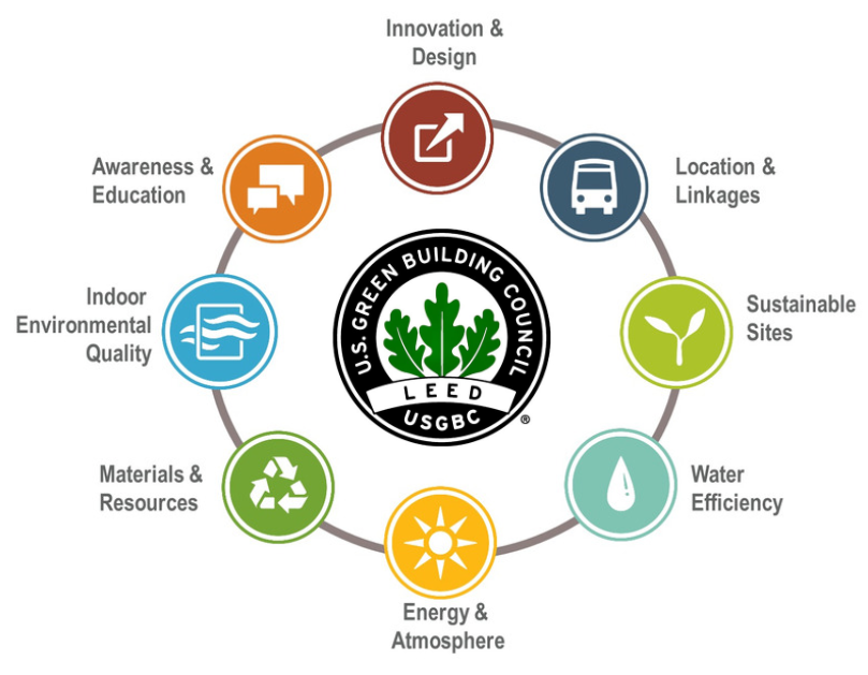
How Points Are Earned
Projects earn LEED points based on their performance in key areas such as:
- Sustainable Sites: Reducing environmental disruption and supporting ecosystems.
- Water Efficiency: Decreasing water consumption and preserving water resources.
- Energy & Atmosphere: Improving energy performance and facilitating renewable energy use.
- Materials & Resources: Encouraging the use of sustainable building materials and reducing waste.
- Indoor Environmental Quality: Enhancing indoor air quality and occupant comfort.
- Innovation in Design: Implementing innovative and exemplary sustainable practices.
Achieving higher levels of LEED certification not only advances a building's green profile but also can lead to significant economic benefits through reduced utility costs and improved occupant satisfaction.
How Hand Dryers Support LEED Credits
Hand dryers may seem like a small detail in restroom design, but they can play a role in earning LEED points. By lowering energy consumption and eliminating paper towel waste, energy-efficient hand dryers help contribute toward credits in the Energy and Atmosphere and Materials and Resources categories.
Excel Dryer XLERATOR
The Excel Dryer XLERATOR is one of the top choices for facilities working toward LEED certification. XLERATOR models cut energy use by up to 80% compared to older dryers and can reduce restroom operating costs by up to 95% versus paper towels.
The XLERATOReco model takes efficiency even further by eliminating the heating element, running on just 500 watts. This design allows facilities to install up to three dryers on one line, lowering installation costs as well as long-term energy use. Excel also provides Environmental Product Declarations (EPDs) and Health Product Declarations (HPDs), which align with LEED requirements for transparency and sustainable materials.
The XLERATOReco hand dryer can contribute to earning LEED points primarily through its energy efficiency and sustainable design. By operating without a heating element and consuming only 500 watts, it supports the Energy & Atmosphere category by significantly reducing energy consumption. Additionally, by eliminating the need for paper towels, it contributes to the Materials & Resources category by minimizing waste. Although LEED points are not awarded for individual products but rather for the performance of the building as a whole, using products like the XLERATOReco can bolster a building's overall green credentials and contribute toward achieving multiple LEED credits.
Dyson Airblade
Dyson Airblade hand dryers are engineered for fast dry times and energy efficiency. They are designed to be included in LEED energy performance calculations, making them a strong choice for facilities that want both performance and sustainability. Their sleek designs also make them popular in modern restrooms where appearance matters alongside efficiency.
As an example: the Dyson Airblade HU02 hand dryer, while not earning LEED points directly, plays a substantial role in contributing to a building's LEED certification by enhancing energy efficiency and sustainability. This model operates efficiently with a low energy consumption rate, supporting the Energy and Atmosphere category by minimizing energy usage. Additionally, it helps facilities reduce waste by eliminating paper towel dependency, aligning with the Materials and Resources category. These contributions can enhance a building's overall performance in the LEED certification process, assisting in the accumulation of points in relevant categories such as energy efficiency and waste reduction.
Other LEED-Friendly Brands
Brands such as World Dryer, ASI, and Saniflow also offer energy-efficient models that fit within LEED standards. Many include no-heat options, low-wattage motors, or smart designs that minimize power consumption while maintaining fast dry times. These options give facility managers flexibility in choosing the right fit for their restrooms.
Why LEED-Friendly Hand Dryers Matter
Selecting the right hand dryers goes beyond meeting LEED requirements. They also:
- Lower electricity costs by reducing energy use.
- Eliminate the waste and ongoing expense of paper towels.
- Reduce maintenance issues like clogged toilets and overflowing trash bins.
- Show a visible commitment to sustainability, improving a facility’s image.
Modern, energy-efficient hand dryers help create restrooms that are cleaner, more cost-effective, and aligned with environmental goals.
Choosing the Right Hand Dryer
The best hand dryer for a project depends on factors such as expected restroom traffic, energy-saving goals, and design preferences. High-traffic venues may lean toward the XLERATOReco for long-term efficiency, while offices or stylish retail spaces may prefer Dyson Airblade models for their modern look. Regardless of the choice, ProDryers can provide expert guidance and help identify which models align with LEED documentation and credit opportunities.
Partner with ProDryers
LEED certification brings value to any building project, and selecting the right restroom products is part of that journey. At ProDryers, we stock the leading hand dryer brands that support LEED credits, including Excel Dryer, Dyson, World Dryer, ASI, and Saniflow.
Call us today at 888-503-7937 or visit ProDryers.com to explore LEED-friendly options. Our team of experts can help you choose the best dryers for your facility and take another step toward sustainable building.