
The Psychology of Restroom Hygiene: From Paper Towels to Hand Dryers
Posted by Anthony DiCicco on Oct 29th 2025
The Psychology of Restroom Hygiene: Why People Still Prefer Paper Towels and How Hand Dryers Are Changing Minds
Imagine walking into a busy airport restroom after a long flight. You wash your hands, glance at the paper towel dispenser, then notice a sleek hand dryer glowing softly on the wall. You pause for a second. Both options will get the job done, but something about the paper towels feels safer. That moment of hesitation says a lot about how our minds work.
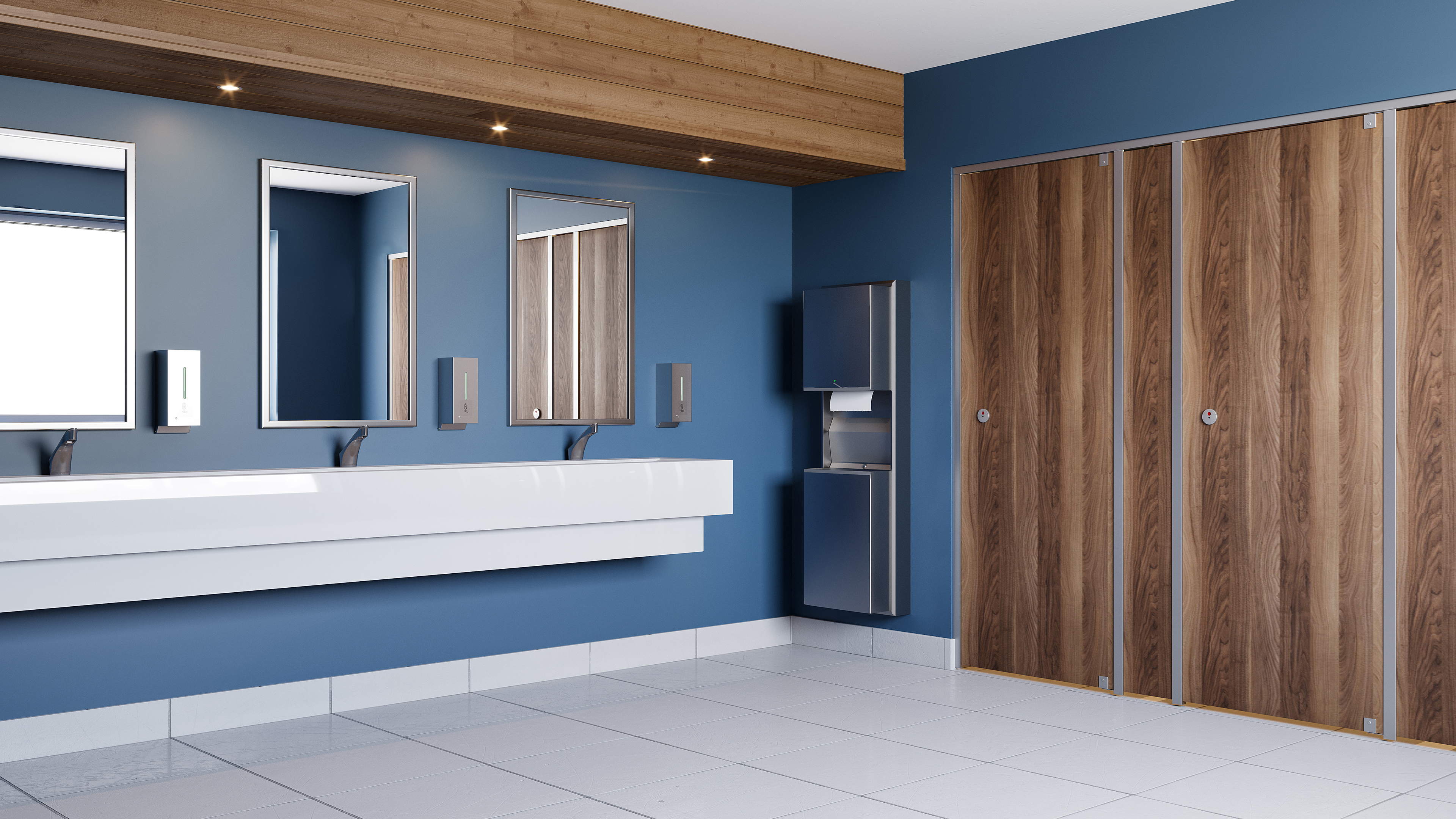
At ProDryers, we know that restroom design is not only about hardware and airflow. It is about human behavior. The psychology of restroom hygiene plays a bigger role in facility planning than most people realize, and understanding it can make a lasting difference in how users feel about cleanliness and trust.
Designing a better public restroom starts with understanding human behavior. Architects and facility planners increasingly rely on behavioral psychology to shape everything from layout and lighting to fixture placement and user flow. When you understand how people think, move, and make hygiene decisions, you can design restrooms that feel cleaner, operate more efficiently, and support healthier habits.
Why We Associate Paper Towels with Cleanliness
Paper towels have long been the default drying method in public spaces. They feel immediate and familiar. When you can physically wipe your hands, it gives a sense of control and satisfaction that feels clean. This connection between touch and cleanliness runs deep. People like the feeling of taking action, even if that action does not always translate into measurable hygiene.
Several studies have claimed that paper towels are more hygienic than hand dryers, but it is important to look closely at who funds that research. Some of these studies are backed by the paper products industry, which has an obvious interest in reinforcing that belief. What many of those reports do not highlight is that paper towels can also collect bacteria when stored in damp dispensers or when users grab more than one sheet with wet hands.
Still, paper towels offer comfort, and for facility managers, that perception matters. ProDryers carries a complete range of high-quality paper towel dispensers from brands like Bobrick, Bradley, Gamco, and ASI for facilities that want to provide that familiar option while maintaining style and reliability.
The Sensory Experience of Drying Hands
The way a restroom sounds and feels has a major impact on user perception. Early hand dryers were loud and slow, and people still remember that experience. Even though modern dryers are completely different, that first impression stuck.
Modern high-speed hand dryers such as the Dyson Airblade, Excel XLERATOR, and World Dryer VERDEdri use powerful air streams, touch-free sensors, and HEPA filtration. These dryers remove bacteria from the air before it ever touches your hands. Yet many people still carry the memory of noisy, outdated dryers. In psychology, this is called anchoring. We form an opinion early, and new experiences have to work hard to replace it.
The Social Factor
Humans are naturally social imitators. We tend to do what others around us are doing, especially in public spaces. If a restroom is stocked only with paper towels, most users will follow that pattern. But when a facility installs modern dryers that are quiet, fast, and visibly clean, behavior begins to change.
Airports, stadiums, and universities have already started to set this new example. When visitors see others confidently using touch-free dryers, hesitation fades. The restroom environment itself becomes a signal of cleanliness, not a reminder of old habits.
How Habits Shape Hygiene Choices
Habits play a major role in how people respond to restroom fixtures. Once someone feels that one method is safer or more reliable, their brain repeats that behavior automatically. Psychologists call this a “habit loop.” It takes consistent positive experiences to break it.
The next generation of hand dryers is helping facilities reshape those habits. When users experience quiet, fast, hygienic airflow with no need to touch a surface, they start to prefer it naturally. Over time, this is how perception catches up with technology.
What the Pandemic Taught Us About Restroom Hygiene
The COVID-19 pandemic completely changed how people think about shared spaces. Before 2020, most guests only thought about washing their hands. Afterward, air quality, surface contact, and sanitization became top priorities.
Manufacturers responded with major innovation. Touch-free faucets, automatic soap dispensers, and HEPA-filtered hand dryers became standard expectations rather than luxury upgrades. The pandemic accelerated an entire decade of progress in just a few years. Today, the market for touch-free hand dryers for public restrooms continues to grow because hygiene and peace of mind are now inseparable.
Overcoming Bias Through Technology and Design
Hand dryers have evolved dramatically in the past decade. Many now include built-in HEPA filters that remove 99.97 percent of particles from the air, along with touchless activation that prevents cross-contamination. Some models even use antimicrobial surfaces or adjustable sound controls to make them more user-friendly and hygienic.
One of the most innovative examples is the new World Dryer Sanitize + Dry, which reintroduces cold plasma technology originally developed by American Dryer in its ExtremeAir CPC line. The concept uses ionized air, often referred to as cold plasma, to help neutralize bacteria and viruses while drying hands. This is not just airflow; it is active sanitization. World Dryer recognized the value of this proven American Dryer technology and brought it back in the Sanitize + Dry to meet modern hygiene expectations. But let's be clear; cold plasma is a type of ionized air, but they are not always used interchangeably. "Ionized air" can refer to any gas that has become conductive by creating ions, while "cold plasma" is a specific state of matter where a gas contains an equal number of positive and negative ions and electrons, and remains at a low temperature. While all cold plasma involves ionized air, not all ionized air is cold plasma. Don't worry if that seems too complicated. The bottom line: cold plasma kills bacteria.
These types of advancements mark a clear shift in how the industry views hand hygiene. We expect that nearly all major manufacturers will follow suit, introducing new systems that combine HEPA filtration with ionized air, ozone-based purification, or other sanitizing processes. The goal is simple: to push hand dryers past the old hand dryers versus paper towels debate and position them as the clear, undisputed leader in hygiene and sustainability.
Some studies favoring paper towels focus on isolated concerns about older dryers or poor maintenance, often supported by paper industry funding. But the direction of innovation tells the real story. Modern hand dryers are not only hygienic, they are becoming part of a larger movement toward cleaner air, cleaner facilities, and smarter restrooms overall.
A Real-World Perspective
At ProDryers, we talk to facility managers every day who are surprised at how much perception drives maintenance choices. Many still stock paper towels because guests ask for them, even when they know the energy savings and hygiene performance of modern dryers are better. What we often see is that when facilities install both, usage naturally shifts toward the dryers. Over time, people trust what they experience firsthand.
Why ProDryers Supports Both Methods
At ProDryers, we stand on the side of innovation. We believe high-speed hand dryers represent the future of sustainable restroom design. But we also know that perception and user comfort matter. That is why we offer both worlds.
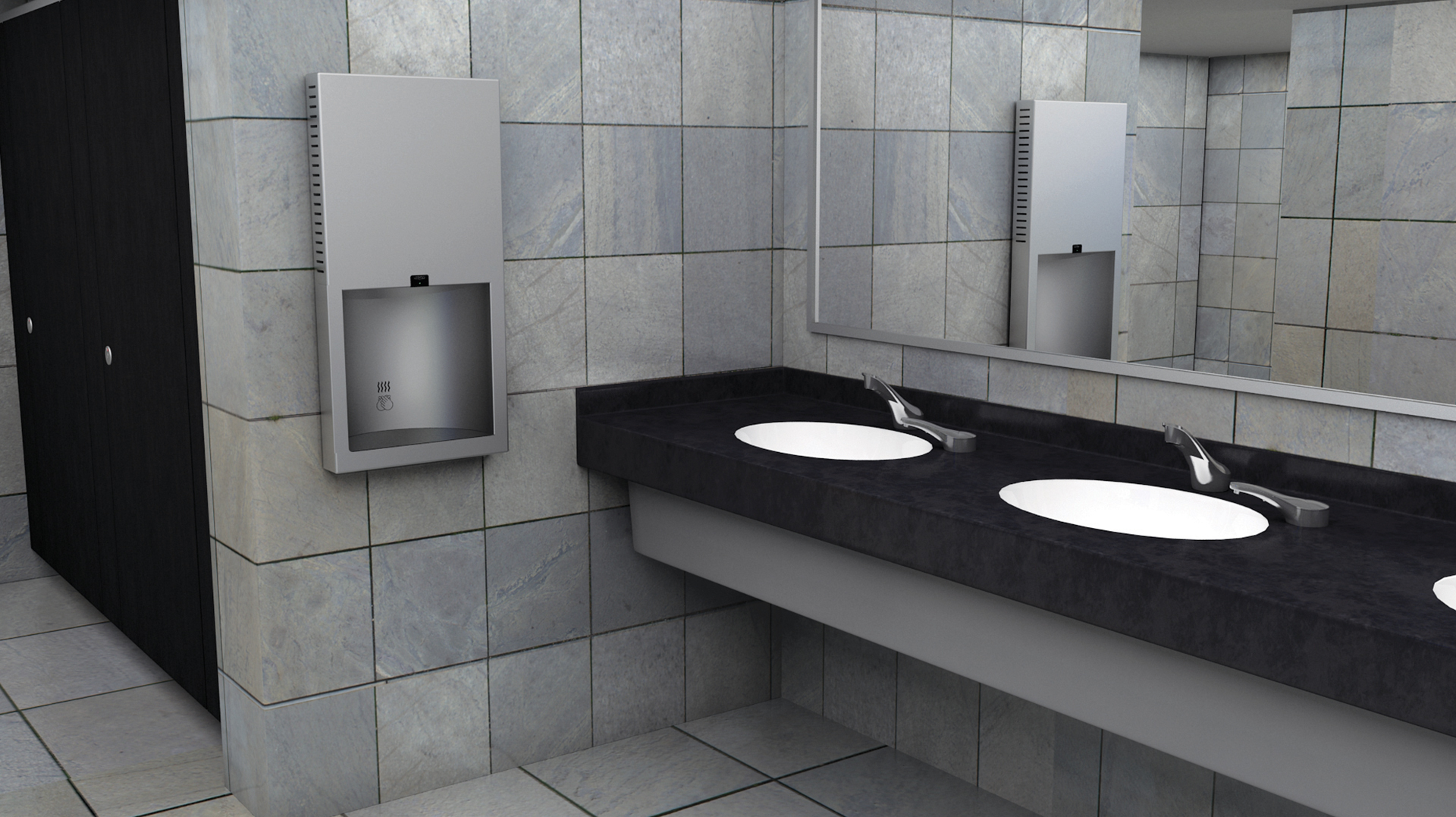
Our catalog includes the most advanced commercial hand dryers from brands such as Dyson, Excel Dryer, Sloan, World Dryer, and American Dryer, along with a full selection of paper towel dispensers from trusted names like Bobrick, Bradley, ASI, and Gamco. Every facility is different. Some want to move fully to touch-free hand dryers for sustainability. Others prefer a hybrid setup that offers users a choice. We help customers design restrooms that work for their traffic, layout, and hygiene goals.
The Future of Restroom Hygiene
The next chapter in restroom design is already being written. Manufacturers are experimenting with smart sensors that can monitor dryer usage, predictive maintenance alerts that reduce downtime, and integrated hygiene systems that combine air purification with drying. Some concepts even explore self-sanitizing surfaces and smart mirrors that display cleaning schedules for added trust.
The psychology of hygiene will continue to evolve as technology removes uncertainty. When people trust that the environment around them is clean, they behave more confidently and more responsibly. That confidence is the true measure of progress.
The Takeaway: Hygiene Is as Much Mindset as It Is Technology
The psychology of restroom hygiene reveals something simple but powerful. People’s sense of cleanliness often starts in their minds. When they trust the tools available to them, they feel better about the experience and are more likely to wash and dry their hands properly.
At ProDryers, we believe the best restrooms combine science, psychology, and smart design. The future of hygiene is not just about what gets your hands dry fastest. It is about how confident you feel walking out the door.
But hand drying is only one part of how people experience a public restroom. When you look beyond hygiene and airflow, a much bigger story emerges rooted in behavioral psychology, environmental cues, and the subtle design details that shape how people feel the moment they walk inside. To truly understand why users behave the way they do, we have to look at restroom design through the lens of psychology. When we do, it becomes clear how much opportunity facilities have to influence comfort, safety, and hygienic habits through smarter design.
The Psychology of Privacy, Safety, and Comfort in Public Restrooms
Before anyone thinks about washing or drying their hands, they subconsciously assess whether a restroom feels safe and private. This happens instantly. Humans are hardwired to scan unfamiliar spaces for cues of security. In a restroom, those cues include stall design, lighting, sightlines, and even the sound of activity inside.
Wide door gaps, poorly lit corners, and cramped stall arrangements create discomfort that reduces the amount of time users spend inside, which directly affects how well they wash and dry their hands. The opposite is also true. Restrooms designed with privacy in mind, such as full height partitions or entryways that curve to block direct views, help people relax and behave more confidently. When users feel comfortable, they are more likely to complete proper hygiene routines without rushing or skipping steps.
In facility planning, these psychological elements matter as much as the fixtures themselves. Restrooms that signal you are safe here produce better outcomes in cleanliness, guest satisfaction, and hand hygiene compliance.
Environmental Psychology and How Design Influences Hygiene Compliance
The built environment has a measurable impact on human behavior, and public restrooms are one of the clearest examples. Restroom layout affects user flow, and user flow affects hygiene.
A space that avoids bottlenecks encourages better handwashing because users do not feel rushed. Wide sink areas, clear pathways, and intuitive placement of dryers or towel dispensers all reduce decision fatigue and help users move confidently through the space. When design makes the hygienic choice the easiest choice, compliance naturally increases.
Lighting also plays a major role. Bright, evenly illuminated restrooms appear cleaner and safer, while dim lighting creates uncertainty and lowers trust. Materials influence perception as well. Cleanable surfaces and modern finishes create the impression of a professionally maintained restroom, which improves overall user behavior. When a restroom looks clean, people treat it with more respect, and this is a core principle in environmental psychology.
Color Psychology in Commercial Restroom Design
Color quietly influences how people feel in a space, and in restrooms this impact is significant.
Cool tones such as soft blues and grays often communicate calmness, cleanliness, and order. These shades work well in airports, medical facilities, and corporate buildings where a sense of stability benefits guests. Warm tones can create a welcoming, comfortable experience in restaurants or hospitality settings.
High contrast colors help users instantly identify fixtures like sinks, dryers, or dispensers. This improves user flow by reducing confusion. Thoughtfully colored signage supports hygiene by making reminders easy to spot and understand.
Color decisions in restroom design rarely get discussed, yet they influence everything from perceived cleanliness to comfort and compliance.
The Psychology of Touch Free Interactions
Touch free design has become a new standard, and psychology explains why users prefer it. Humans instinctively avoid surfaces that may harbor germs. This behavior accelerated during and after the pandemic. When a restroom eliminates physical contact points, users feel safer and more in control.
Touch free faucets remove hesitation about whether a handle is clean. Automatic soap dispensers simplify the experience further. Modern touch free hand dryers, especially those with HEPA filtration, offer a predictable and reassuring experience that reinforces trust.
This is not just convenience. It is cognitive relief. Every touchless fixture reduces small moments of stress and builds confidence in the environment. Facilities that adopt complete touch free ecosystems benefit from improved hygiene compliance and higher user satisfaction because the restroom feels intelligent, safe, and thoughtfully designed.
Social Norms and Crowd Behavior in Public Restrooms
Restrooms are social environments even without conversation. People observe one another and quickly adopt shared behaviors. This phenomenon is known as social norming.
When people see others washing their hands, they are more likely to wash theirs. When a restroom appears well maintained, users treat it with more respect. If someone encounters trash on the floor or overflowing dispensers, they subconsciously assume cleanliness is optional.
One of the most important social norms in restrooms is predictability. Users prefer layouts that make sense at a glance. Sinks grouped together, dryers placed nearby, stalls clearly visible, and clear pathways all make navigation easier. These design elements reduce mental effort and help people behave more hygienically, even during high traffic times.
Design choices that reinforce positive norms, such as visible cleaning logs, consistent maintenance, touch free fixtures, and organized layouts, encourage better behavior without any active enforcement.
The Psychology of Odor, Cleanliness Cues, and Maintenance Frequency
Nothing influences restroom perception more quickly than smell. Research shows that even a mild unpleasant odor sharply decreases trust in a restroom’s hygiene. Users immediately rush, touch fewer surfaces, and often skip drying their hands completely.
Visual cleanliness cues matter just as much. Clean mirrors signal professionalism. Dry floors show consistent maintenance. Clear counters and uncluttered surfaces reduce the perception of contamination. Any sign of neglect, such as overflowing bins or standing water, has an immediate psychological effect that shapes behavior.
Most people do not consciously process every detail, but these cues shape reactions automatically. A restroom that looks and smells clean encourages more responsible behavior. For facility managers, maintenance routines are not just operational tasks. They are psychological tools that guide how users interact with the space.
Accessibility and Inclusive Restroom Design Psychology
When a restroom does not feel accessible, stress rises for many users. This includes those with mobility challenges, parents managing small children, older adults, and anyone who feels uncertain about navigating tight or confusing spaces. Inclusive restroom design reduces this stress and improves the experience for all users.
Clear signage helps guests enter with confidence. Wide pathways and ADA compliant fixtures reduce hesitation. Family restrooms and gender neutral options provide comfort for those who need additional privacy or support.
The psychology behind inclusive design is simple. When users sense that a restroom is designed with everyone in mind, the entire environment feels more trustworthy. That trust influences handwashing rates, drying method choices, and overall satisfaction with the facility.
Inclusive design is not just a legal requirement. It is a human centered approach that makes restrooms more intuitive and welcoming.
How Architecture and Restroom Layout Shape Long Term Behavior
People form strong impressions of restrooms based on layout. A cramped, noisy, or confusing restroom conditions users to expect a negative experience elsewhere. On the other hand, restrooms with clean lines, open sightlines, well positioned fixtures, and predictable flow patterns create a sense of confidence that carries through each visit.
Architecture that supports smooth user movement from entryway to sinks to dryers to exit also improves hygiene outcomes. When the preferred path through the restroom feels natural, users follow it without conscious effort.
Modern architects designing airports, stadiums, universities, and large campuses often collaborate with restroom fixture specialists for this reason. When layout supports human psychology, users behave better, maintenance demands decrease, and guest satisfaction increases.
Key Takeaways
• Restroom behavior is shaped by psychology as much as hygiene.
• Privacy, lighting, acoustics, and layout strongly influence user comfort.
• Modern touch free fixtures reduce stress and encourage better handwashing.
• Environmental cues like color, odor, and cleanliness shape trust.
• Predictable layouts improve flow and reduce decision fatigue.
• Inclusive design supports confidence and improves the experience for everyone.
• Architecture and fixture placement directly impact long term user behavior.
• Smarter restroom design leads to better hygiene outcomes and happier guests.
Frequently Asked Questions About Restroom Psychology and Design
Why do people behave differently in public restrooms compared to private ones?
Public restrooms create social pressure, time pressure, and environmental stress points that do not exist at home. Users move quickly, avoid surfaces, follow social cues, and respond strongly to privacy levels. These factors influence hygiene routines, hand drying behavior, and overall cleanliness.
What design features make users feel safer in public restrooms?
Lighting, stall privacy, predictable layouts, touch free fixtures, clean surfaces, and reduced noise all help users feel more comfortable. When a restroom feels safe and well designed, guests are more likely to wash and dry their hands properly.
How does restroom layout influence hygiene?
A clear and intuitive layout reduces decision fatigue and encourages better handwashing. When sinks, dryers, and exits follow a natural path, users are more likely to complete each step without skipping. Poor layouts increase confusion and reduce compliance.
Why are touch free fixtures so important for user comfort?
Touch free systems eliminate the fear of contamination. Users prefer products that activate automatically because they lower stress and help people move through the restroom with confidence. Touch free sinks, soap dispensers, flushometers, and hand dryers all support better hygiene behavior.
How do colors affect how people perceive a restroom?
Colors influence mood and perception. Cool colors like blue and gray signal cleanliness and calmness. Warm colors create comfort. High contrast color choices help users identify fixtures quickly, which improves flow and reduces hesitation.
Why do odors have such a strong impact on restroom behavior?
Smell is processed directly in the brain’s emotional center. Even a small unpleasant odor can lower trust in the restroom, causing users to rush or skip steps. A clean, fresh smelling restroom immediately improves user behavior.
About the Author
Anthony DiCicco is the CEO of ProDryers and contributes educational content on commercial hand dryers, restroom accessories, and product selection for facilities and contractors. Learn more about the people behind ProDryers on our Meet the Team page.